

Refugee resettlement is all about helping people who had to leave their homes because it wasn’t safe. In 2026, there are lots of ways to get help, but it can feel confusing if you’re new to it. So, let’s walk through it slowly, step by step. We’ll cover the refugee resettlement program, asylum process, humanitarian parole, and Temporary Protected Status (TPS).
What Refugee Resettlement Really Means
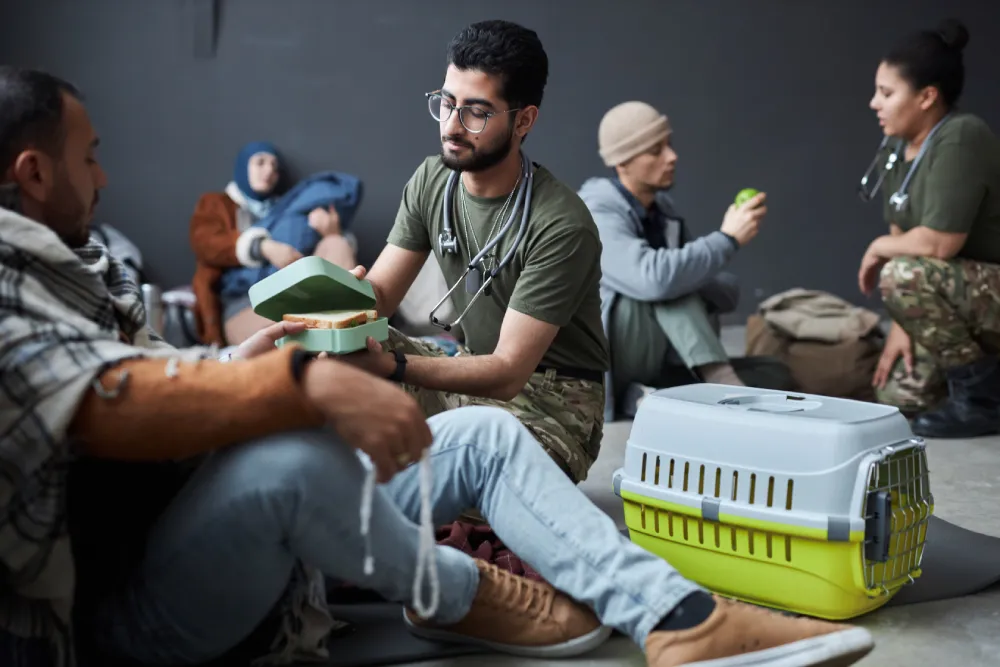
Refugee resettlement is about giving them a safe place to start over. That means helping them find somewhere to live, figure out a job, take care of their health, and really understand their rights so they don’t feel lost. The Office of Refugee Resettlement is the main government office that makes this all happen. And they don’t do it alone, they work hand in hand with local charities and community groups to make sure people actually get the help they need and can start building a new life.
Here’s what usually happens with refugee resettlement:
- They get temporary housing and basic support
- They get help finding a job or training for work
- They can see doctors and get mental health support
- They get guidance on legal stuff like asylum or TPS
How the Refugee Resettlement Program Works
The refugee resettlement program is designed to make sure people aren’t just dropped somewhere and left on their own. It’s a step-by-step support system.
How It Usually Works
- Placement: Refugees are sent to communities where support is strongest
- Financial Help: Temporary assistance for housing, food, and essentials
- Job Support: Skills training and job search help
- Healthcare & Social Services: Medical care and help adjusting to a new country
| Service | What You Get | How Long |
| Housing | Temporary or long-term housing | 3–6 months |
| Jobs & Training | Job skills, English classes, vocational training | 6–12 months |
| Healthcare | Medical check-ups, counseling | Ongoing |
| Legal Help | Guidance on asylum, TPS, humanitarian parole | As needed |
The Asylum Process
If someone can’t go back home because it’s dangerous, the asylum process is one way to stay safe. Basically, you have to show real fear of persecution because of race, religion, nationality, political opinion, or being part of a social group.
How the Asylum Seeking Process Works
- File the Application: Submit Form I-589, usually within one year of arriving
- Biometrics: Fingerprints and background check
- Interview or Court: Explain your story and show evidence
- Decision: You’ll be approved, denied, or sent for review
It sounds complicated, but lawyers or community groups can guide people through it and make it much easier.
Humanitarian Parole: Fast Help When Needed
Sometimes people need to come to the U.S. quickly but don’t qualify for asylum or refugee programs. That’s where humanitarian parole comes in.
- It’s temporary, usually up to one year
- You can work while it’s valid
- Requires a humanitarian parole application
It’s mostly for urgent things like medical emergencies or getting families together.
Temporary Protected Status (TPS)
TPS is for people from countries with war, disasters, or dangerous conditions. It lets them live and work legally while their country isn’t safe.
TPS to Green Card
Some people with TPS can eventually get a green card. That’s why talking to a TPS lawyer or immigration lawyer for TPS is helpful.
TPS steps:
- File Form I-821
- Apply for work permission with Form I-765
- Keep documents updated and stay eligible
How Refugee Resettlement Works with Legal Options
Here’s the thing: refugee resettlement, TPS, asylum, and humanitarian parole often connect. Knowing how they fit together makes it easier for refugees to get the right support at the right time.
Quick Comparison: TPS vs Asylum vs Humanitarian Parole
| Program | Duration | Work Allowed | Green Card Path | Who Qualifies |
| Asylum | Long-term | Yes | Yes, after 1 year | Fear of persecution |
| TPS | Temporary | Yes | Possible | Unsafe country conditions |
| Humanitarian Parole | Short-term | Yes | No | Urgent humanitarian need |
Tips for Refugees and Helpers
- Keep all documents safe: ID, applications, proof of persecution
- Talk to certified immigration lawyers or accredited organizations
- Join local workshops to learn about laws and support services
- Stay updated with the Office of Refugee Resettlement
Challenges to Expect
Even with support, refugee resettlement isn’t always smooth:
- Applications can take months or years
- Adjusting to a new culture and language is hard
- Legal paperwork can be tricky
- Communities may not always have enough resources
Conclusion:
In 2026, refugee resettlement is moving toward better support and integration. Governments, NGOs, and local communities are focusing on jobs, education, and legal help so refugees can feel safe and independent faster. Safety comes first, then independence.
Frequently Asked Questions
What is refugee resettlement?
It’s helping people who had to leave home because of danger find safety and support in another country.
Who runs the refugee resettlement program?
The Office of Refugee Resettlement works with local groups to help refugees settle safely.
How long does the asylum process take?
It can take months or even years depending on interviews, courts, and individual cases.
Can TPS lead to a green card?
Yes, people with TPS may adjust their status to permanent residency if they are eligible.
What is humanitarian parole?
It’s a temporary entry for urgent needs, allowing someone to stay and work in the U.S. for a short time.
How do I apply for TPS?
Submit Form I-821 and Form I-765, keep documents updated, and maintain eligibility.
Do refugees get financial help?
Yes, programs provide temporary help for housing, food, and essential needs.
Can I work while my asylum application is pending?
Yes, after applying for work authorization as part of the asylum application process.
What challenges do refugees face?
Legal paperwork, cultural adjustment, limited resources, and long waiting times.
How is humanitarian parole different from asylum?
Parole is short-term for urgent needs; asylum is long-term protection with a path to a green card.