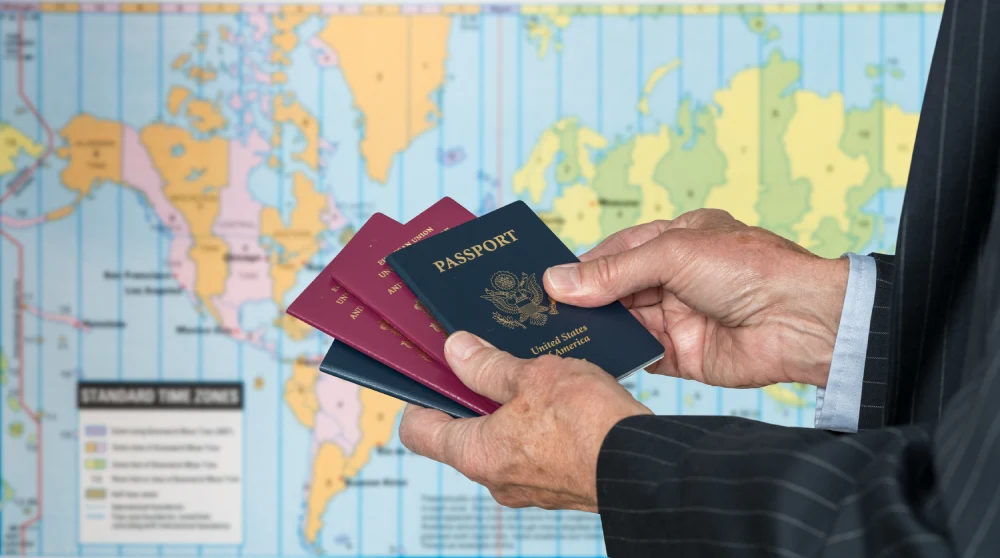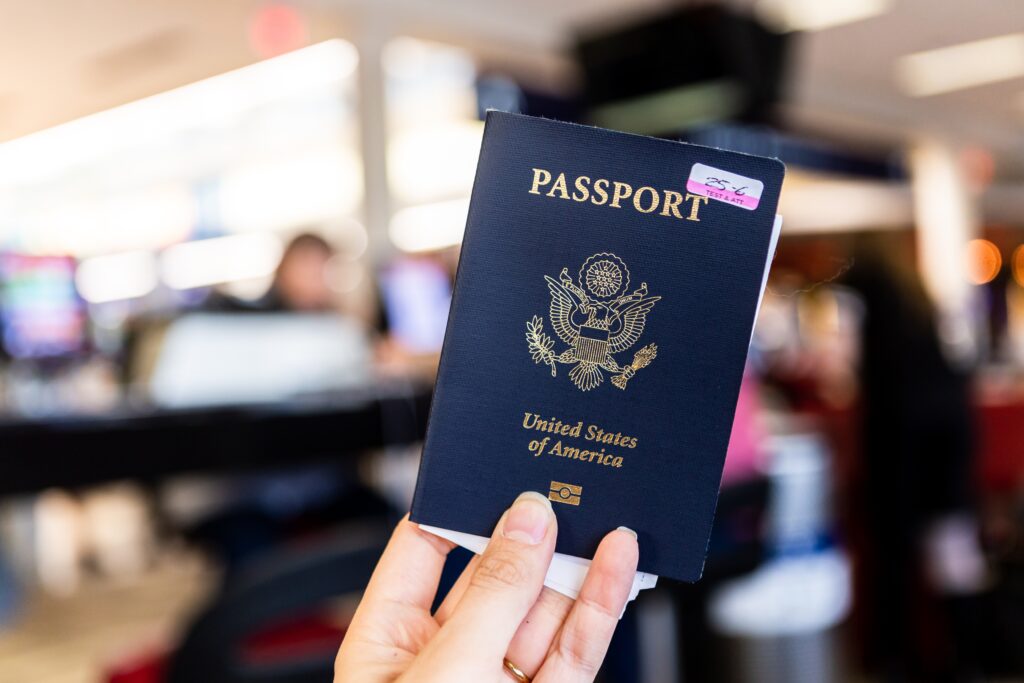
Choosing the right passport office can save time, especially when international travel is approaching. A regional passport office and a Passport Seva Kendra serve different purposes depending on the country and type of application. Understanding their differences helps applicants choose the correct location, prepare documents, and avoid unnecessary delays.
What Is the Difference Between a Regional Passport Office and a Passport Seva Kendra?
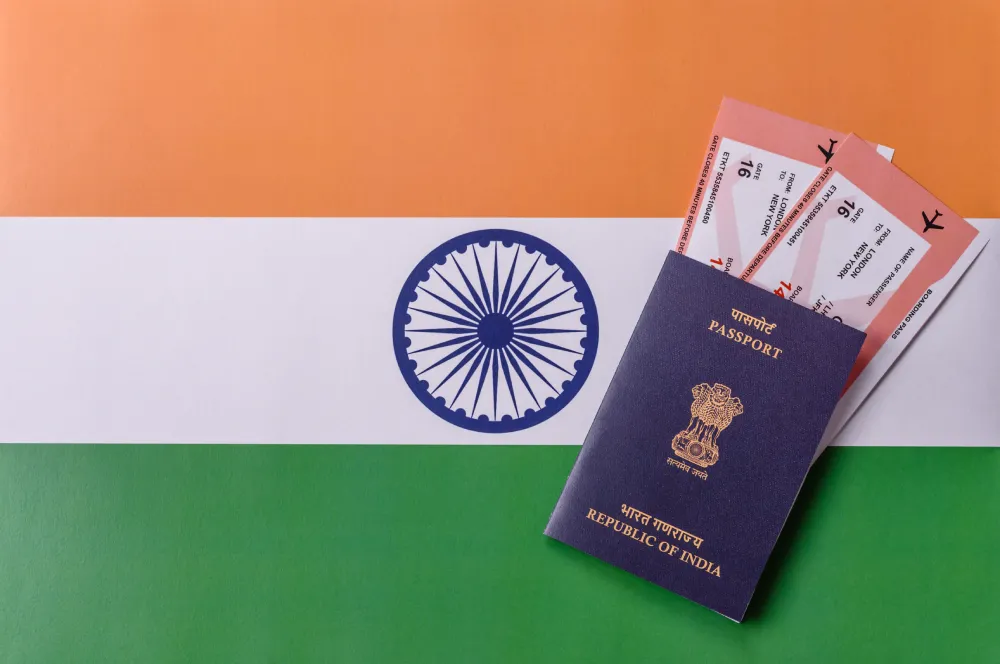
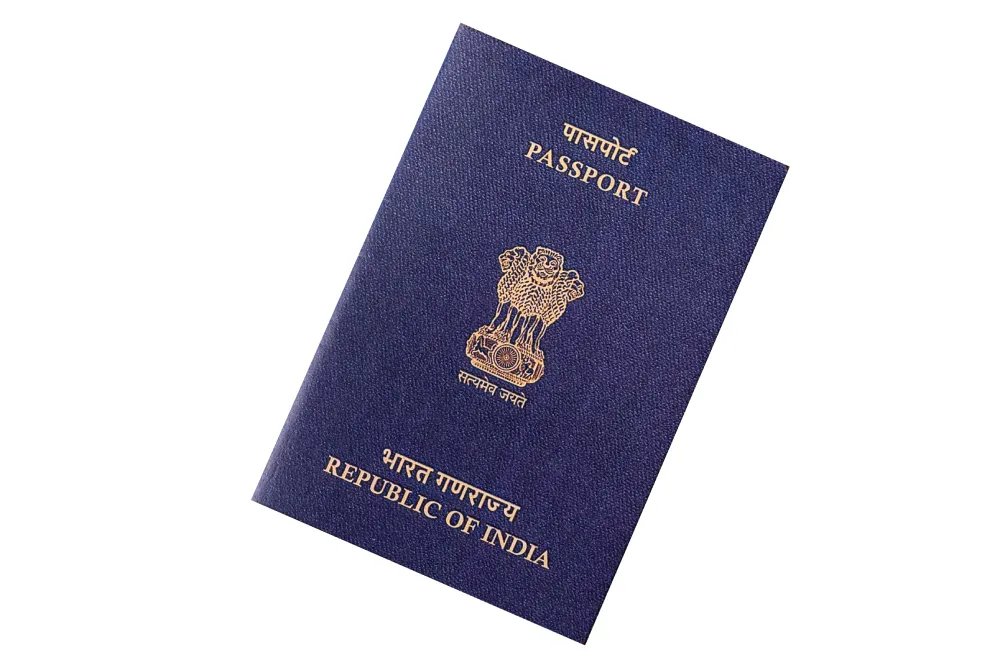
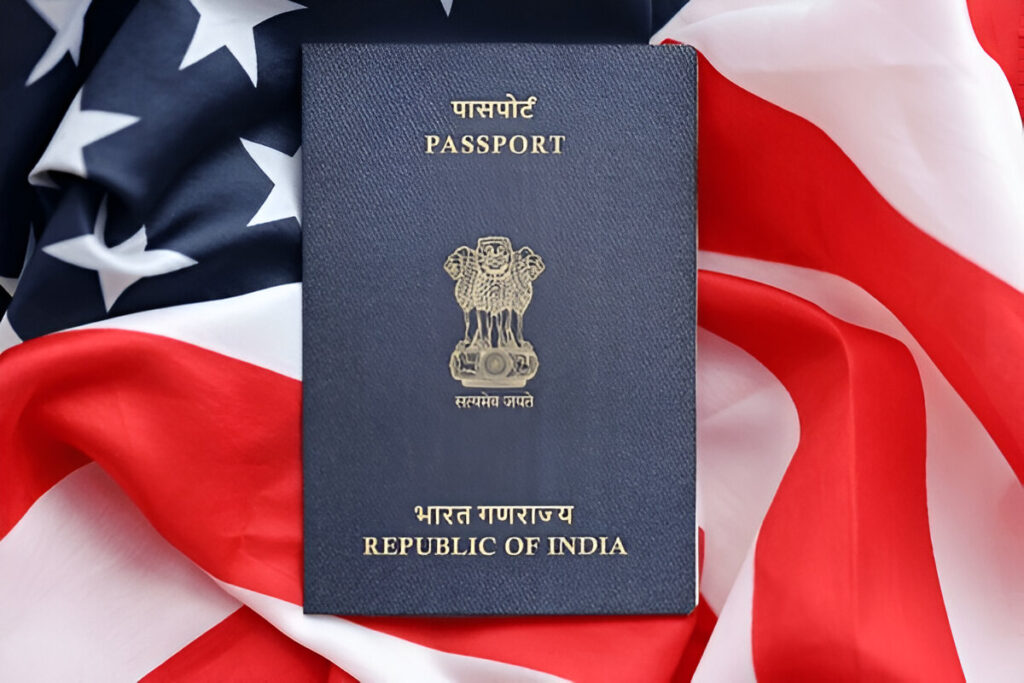
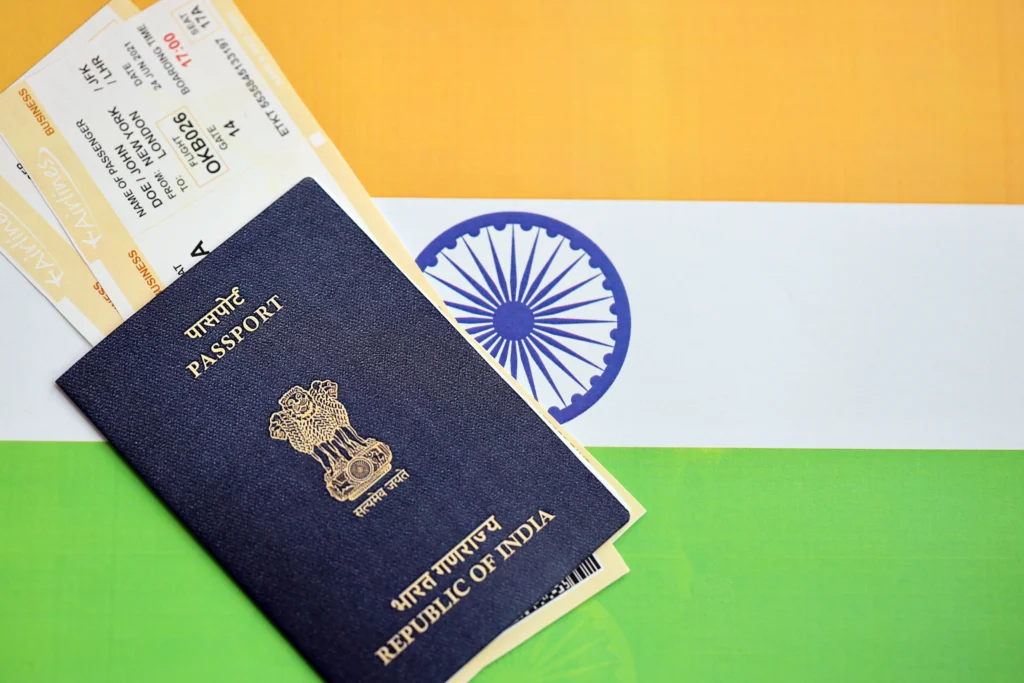
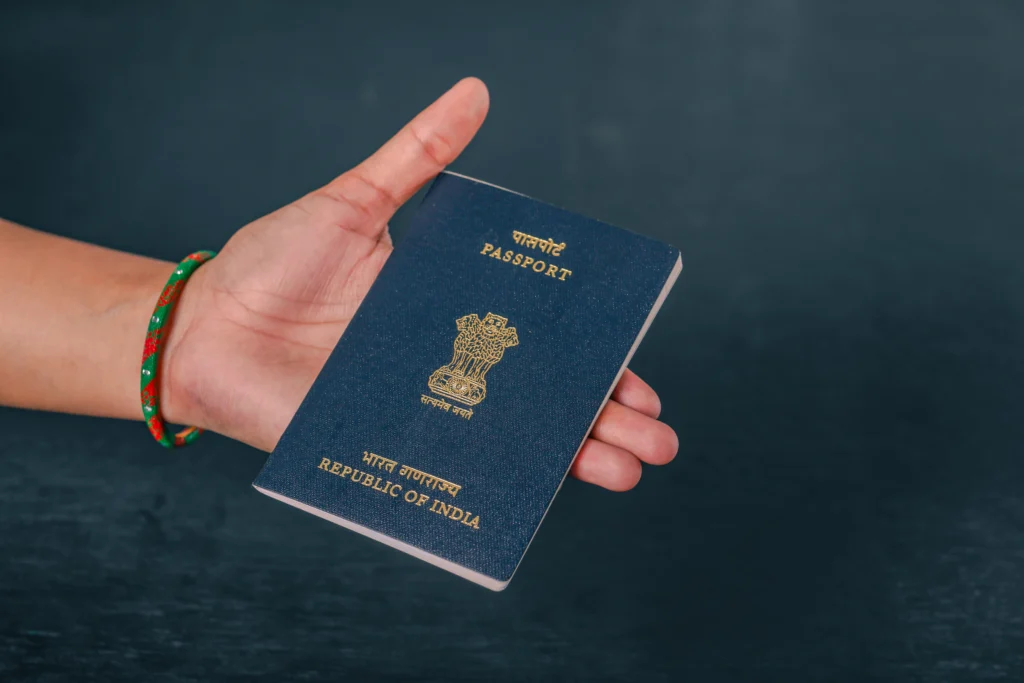
In the United States, the agencies of the region are responsible for eligible emergency passport cases. Passport Seva Kendras (PSKs) are the hubs for the service delivery of passports and related services in India.
| Feature | US Regional Passport Agency | Indian Passport Seva Kendra |
| Main purpose | Urgent passport services | Passport application processing |
| Appointments | Required for agency visits | Generally required |
| Common services | Eligible urgent applications | Fresh passports and renewals |
| Official website | US Department of State | Passport Seva portal |
A regional passport office is not the same as a routine passport acceptance facility in the United States. Choosing the right service depends on the applicant’s needs and eligibility.
What Services Does a Regional Passport Office Provide?
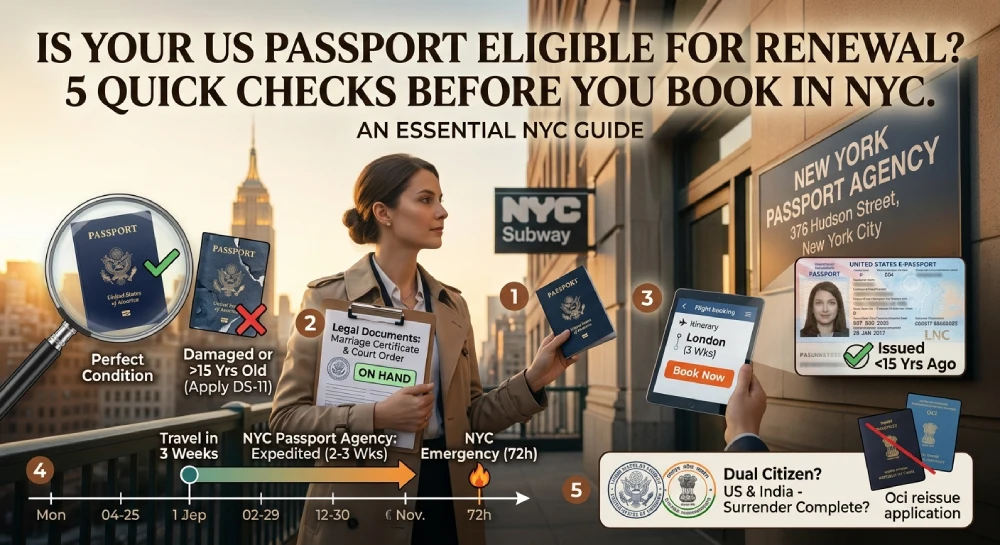
A regional passport office may handle urgent passport applications, renewals, and certain replacement cases, depending on eligibility and local procedures.
Common reasons to seek urgent service include:
- International travel scheduled soon.
- A lost or damaged passport before an upcoming trip.
- An eligible passport renewal requiring expedited processing.
- An application that requires in-person assistance.
Applicants should check official government instructions before booking an appointment.
Where Can You Get a Passport Expedited?
When you’re thinking about where can i get a passport expedited, first take a look at your travel date and eligibility for the application.
Eligible travelers can make an appointment with a passport office in a region in the USA. Typical applications are normally made via acceptable acceptance facilities.
Have all documents, IDs, passport photo, application fees and proof of travel ready. Expedited processing is not a ‘guarantee’ of an issue by a certain date.
How Do Passport Appointments Work?
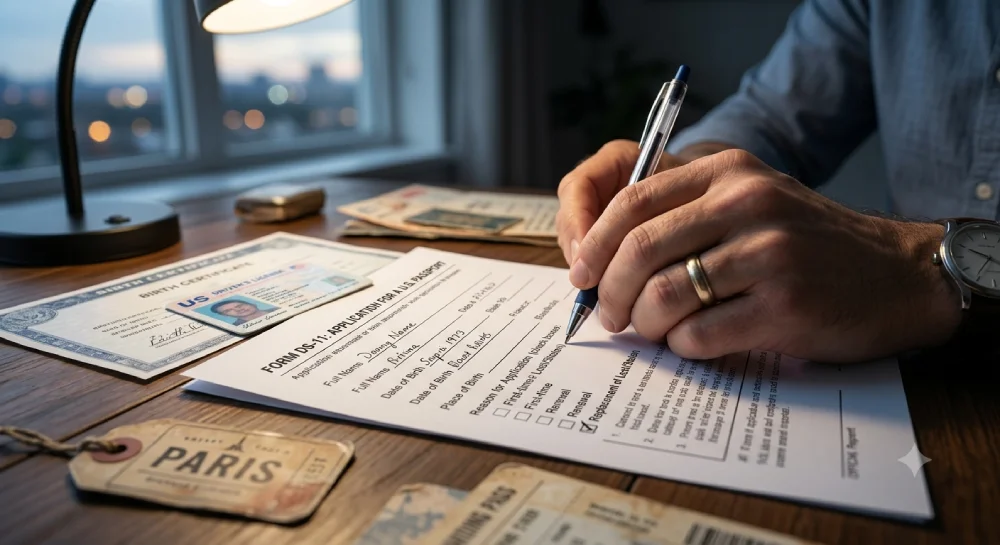
Passport appointments depend on the application type and location. A passport application appointment at an acceptance facility is different from an appointment at a regional passport agency.
Follow these steps:
- Identify whether the application is for a first passport, renewal, or replacement.
- Complete the correct application form.
- Gather identification and supporting documents.
- Check appointment availability and applicable fees.
- Attend the appointment at the authorized location.
Always confirm the requirements through the official government website.
Can You Get a Passport in a Different State?
Yes, US applicants can generally apply at an authorized passport acceptance facility outside their state of residence. But the emergency appointments at agencies require certain qualifications.
When researching the answer to the question can i get a passport in a different state, determine if it will accept the type of passport requested and if an appointment is required. Before choosing an out-of-state facility, take into account travel and expenses.
How to Get a Passport in Illinois
For anyone researching how to get a passport in illinois, the process usually begins with an authorized acceptance facility.
- Fill in the necessary passport form.
- Give evidence of U.S. citizenship and identification.
- Get a suitable passport photograph.
- See the fees and submission details for up-to-date information.
- Please make an appointment if necessary.
If it is a matter of urgency, please consult official guidance to consider if an agency appointment is suitable.
What About Passport Renewal in Illinois?
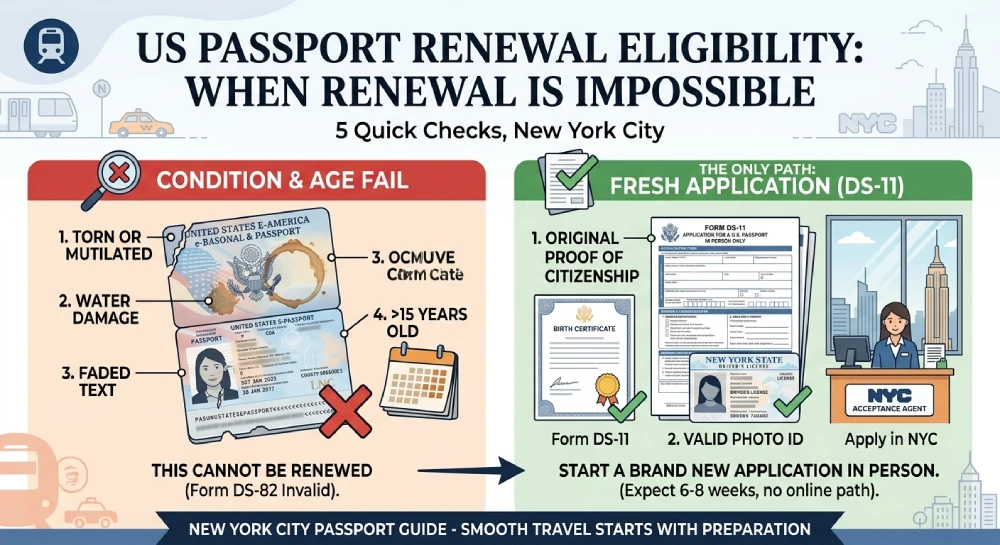
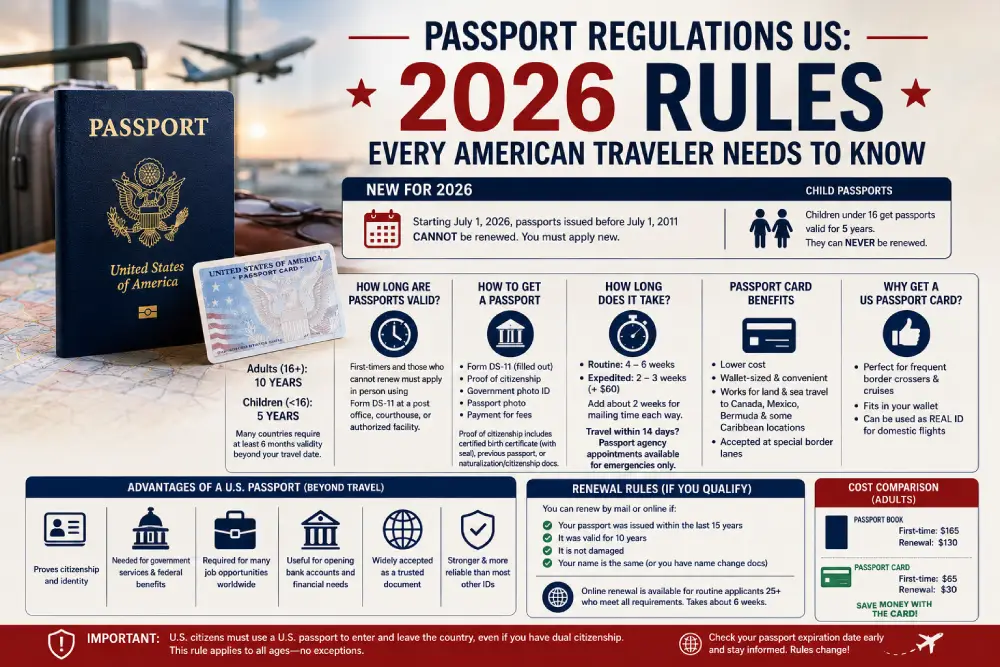
The conditions for passport renewal illinois will be based on the current rules for passport renewal and the passport that is to be renewed. Depending on the applicant, renewal is available either by mail or by utilizing one of the online services, or the applicant needs to come in-person.
Before deciding on a method of passport renewal, review the condition of the passport, its expiration date, personal data and travel plans.
How to Find the Correct Passport Agency Location
Searching for a regional passport agency near me may show acceptance facilities, government offices, and private expediting services. These options do not all provide the same services.
When comparing passport agency locations, verify:
- Whether the location is officially authorized.
- Which applications it accepts.
- Whether appointments are available.
- What documents and fees are required.
For US passports, consult the official US Department of State website. For Indian passports, use the official Passport Seva portal.

Conclusion:
There are several different passport services that will be available and the one that is right will depend on the country of origin, application purpose and speed of the need. Generally, acceptance facilities are used by US applicants for routine applications, and regional passport agencies for eligible urgent applications.Checking official requirements before booking helps prevent unnecessary delays.
Frequently Asked Questions
Is a regional passport office the same as an acceptance facility?
No. In the United States, regional passport offices handle a majority of eligible urgent passport applications, and the acceptance offices process a lot of routine applications. Please note that only one location will be accepting applications so applicants must check before booking.
Can a passport be issued on the same day?
In some emergencies, it may be possible to get the document issued on the same day, but this will not necessarily occur. Applicants will have to fulfill the eligibility and have to submit documents and follow the appointment procedure.
Do passport offices accept walk-ins?
Several regional passport offices accept appointments and there may be acceptance offices that need visitors to make appointments. Please read the directions of the official place before your trip, to prevent delays.
How early should a passport appointment be booked?
Apply well before planned international travel whenever possible. If travel is approaching, please find out current processing times and urgent service availability now.
Can you renew a passport at a regional passport agency?
If they meet the requirements, then eligible applicants may get urgent renewal services. While regular renewals are usually eligible for agency appointments, official guidance is recommended before making the booking.
Can Illinois residents apply outside their state?
Generally, yes. Typically, applicants in the United States can apply for admission at an authorized acceptance facility in another state, depending on the requirements for the application and services that are provided at the facility.
What documents are needed for an urgent appointment?
Common requirements include a completed application, proof of citizenship, acceptable identification, passport photo, applicable fees and proof of upcoming travel if applicable. Specific needs are dependent on the case.
Is expedited processing available for passport renewals?
Yes, if you are eligible to renew your U.S. passport, your renewal might be accepted for expedient processing. The fee, processing time and/or the requirement for appointment by agencies is different for each, please check current official guidance.
Can a Passport Seva Kendra issue a US passport?
No. Passport Seva Kendras are a part of the passport system in India. The US Department of State has set procedures to follow when applying for a U.S. passport.
How can you find the correct passport office?
Visit the official website of your country’s government for a passport. Please check application type, location, appointment information, application fees, and documents required prior to in-person visit.