

Travel history plays a central role in almost every immigration application. Officers look at where someone traveled when they traveled and how long they stayed outside or inside a country. This information helps immigration authorities confirm identity, assess compliance and identify potential risks. Missing or incorrect records often lead to delayed requests for evidence or even denials.
This guide explains how travel history is reviewed, what documents prove it and how to prepare accurate records for immigration purposes.
Why travel history matters in immigration cases
Immigration systems rely on movement records to make decisions. Travel history helps officials verify lawful entry patterns, overstay risks and consistency with submitted applications.
Key reasons it matters include
- Confirms entry and exit timelines
- Supports visa extensions or status changes
- Verifies residency requirements
- Identifies gaps or inconsistencies
Applications reviewed by us citizenship and immigration services depend heavily on these records when evaluating credibility and eligibility.
What counts as travel history
Travel history includes every international movement tied to a passport or identity record. It is more than just stamps.
It usually covers
- Entry and exit dates
- Countries visited
- Length of stay
- Purpose of travel
Air travel land border crossings and even some sea entries can all appear in travel history records.
Documents used to prove travel history
Several official documents are used to confirm travel history. Submitting complete and clear copies strengthens an application.
Common supporting documents
| Document | What it shows |
| Old passports | Entry and exit stamps visas |
| Boarding passes | Travel dates and routes |
| I 94 records | Lawful entry and status |
| Travel itineraries | Planned and completed trips |
| Border entry records | Land and sea crossings |
Old passports are especially important because previous visas and stamps may not appear in current records.
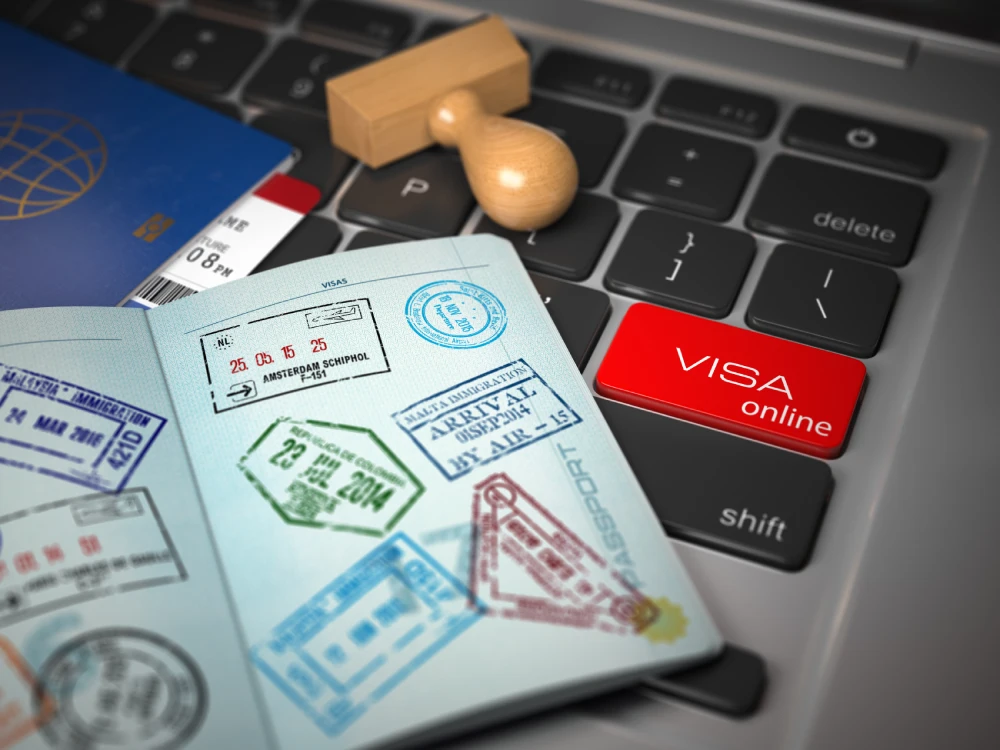
Understanding passport stamps and visas
Passport stamps are a primary source of travel history data. Officers compare stamps with application timelines.
Important points
- Entry stamps confirm arrival
- Exit stamps confirm departure
- Missing stamps can raise questions
- Illegible stamps should be explained
Visas show permission not proof of entry. That difference matters when reviewing travel history.
How us citizenship and immigration services verifies records
US citizenship and immigration services cross checks travel history using internal systems airline data and border records. Submitted documents are compared against government databases.
Inconsistencies may trigger
- Requests for additional evidence
- Delays in processing
- Referral to an us immigration attorney
Accuracy matters more than perfection. Honest explanations reduce risk.
Biometrics and travel history checks
A uscis biometrics appointment connects fingerprints and photos to movement records. This process links identity with border activity.
Biometrics help
- Match records across systems
- Confirm past entries
- Detect identity conflicts
A uscis biometrics appointment does not replace documents but supports verification of travel history.
Immigration notices and movement records
Notices like form i 797c often appear during case processing. Many applicants ask what an i797c is and how it relates to travel.
What form i 797c means
- Receipt of an application
- Biometrics scheduling
- Case updates
Form i 797c does not list travel history but confirms that the case is active and under review.
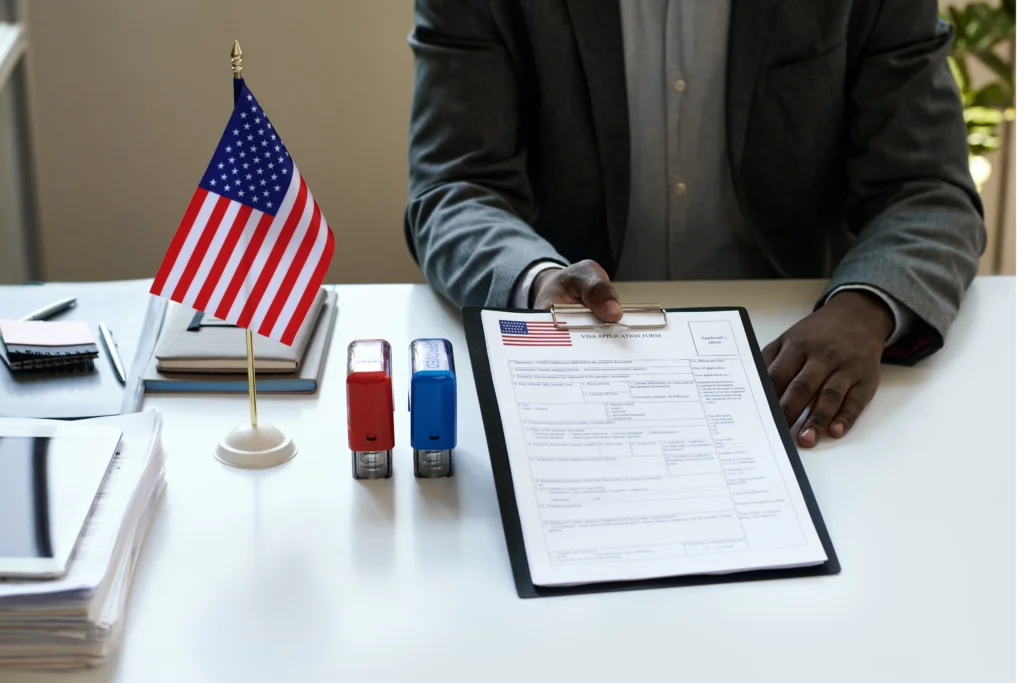
When an immigration letter is required
An immigration letter may be requested to explain gaps or inconsistencies in travel history. This letter provides context and clarification.
It may explain
- Lost passport stamps
- Emergency travel
- Long absences
- Name variations
Clear timelines and supporting proof make an immigration letter effective.
Common travel history mistakes to avoid
Errors often cause unnecessary delays. The most frequent issues include
- Forgetting short trips
- Ignoring land border crossings
- Missing dates
- Not submitting old passports
Always list trips in chronological order and double check accuracy.
Should legal help be considered
Complex cases often benefit from review by an us immigration attorney. Legal guidance helps organize travel history and respond to government requests correctly.
Situations where help is useful
- Multiple passports
- Long overstays
- Frequent international travel
- Prior visa refusals
Professional review reduces risk and stress.
How to organize travel history before filing
Preparation saves time. A simple system works best.
Steps to follow
- Create a timeline spreadsheet
- Match stamps to dates
- Attach proof for each trip
- Write explanations for gaps
Well prepared travel history records improve confidence and clarity during review.
Digital records and online travel data
Many immigration applicants now rely on online records to support past movements. Airline emails, travel apps and government portals can help reconstruct timelines when physical documents are incomplete.
Online I 94 records flight confirmations and entry logs from official portals often support dates already listed in applications. These records should always match passport stamps and submitted forms. Digital proof strengthens credibility but works best when combined with official documents rather than used alone.
How incomplete records affect processing times
Incomplete or unclear travel records often slow down immigration cases more than any other issue. When dates are missing or movements cannot be verified officers may issue requests for evidence or place applications under extended review.
This increases wait times and creates uncertainty even when eligibility is not in question. Providing clear timelines supporting documents and explanations from the start helps prevent delays and keeps applications moving through processing stages efficiently
Conclusion:
Even small differences may trigger questions if they appear unexplained. Consistency across all filings shows reliability and preparation. When differences exist, clear explanations and supporting documents reduce concern and keep applications moving forward without delays.
Frequently Asked Question
How far back should travel history go?
Include all international travel, go back as far as the form requests. Earlier trips may still matter
What if passport stamps are missing?
Submit boarding passes if available, provide an immigration letter and explain clearly and honestly.
Are domestic trips included?
No for most immigration forms. International travel is the focus.
Does uscis biometrics appointment show travel?
Biometrics support identity checks, travel data still needs documents.
What is an i797c used for?
- Confirms application receipt
- Schedules biometrics
- Provides case updates
Can digital records replace passports?
They help but do not replace passports. Old passports remain important.
Is travel history checked for green cards?
Yes and very carefully, consistency is critical.
What if dates are estimated?
Mark them clearly, explain in an immigration letter.
Should every trip be listed?
Yes, even short trips and accuracy matters.
When to contact an us immigration attorney?
If records are complex, prior issues exist and requests for evidence are received.