
With multiple websites and private agents providing Indian visa services, the visa application process can seem daunting. Unfortunately, the scammers exploit this confusion by setting up fake portals, asking for exorbitant amounts of money and guaranteeing approval.
It is important to identify Indian visa scams before applying for a visa to avoid losing your hard earned money, your passport information and your personal information. It’s important to know the difference between a legitimate service and a fraudulent operator, whether you’re applying for an e-Visa or any other type of visa.
What Are Indian Visa Scams?
Indian visa scams are any websites, person or agency that tricks individuals in the visa application process. There are some that impersonate government websites, and others that offer services that aren’t being provided.
A scammer may ask you to pay extra fees, ask unnecessary personal details, or promise that they will be able to get you approved for a credit card. Some may even send out fake visa documents that look as though they are valid, but aren’t.
Warning signs include urgent payment demands, requests to pay through unusual methods, poor contact information, and unsolicited messages asking for passport details or banking information. These are common tactics used in Indian visa scams.
How to Identify Legitimate Visa Service Providers
When it comes to visa service providers, it is important to know how to spot the authentic ones.
A legitimate visa service provider will communicate their services, costs and constraints. In case they are not part of the Indian government, they should call themselves private businesses.
Prior to hiring an agent, review their business information, contact details, customer ratings and written agreement. Seek out information from sources other than the provider’s own website, but don’t just accept all they say in the testimonials.
Just because a website looks professional does not mean it is necessarily authentic. Even if the operators of the websites and documents are not legitimate, they can make them look good.
Compare the provider’s instructions with official information before making a payment. This is a basic precaution you can take to prevent Indian visa scams with legitimate application services posing as such.
Visa Application Documents: What Should You Protect?
Documents in Visa applications include sensitive information which scammers may utilize for ID theft or other frauds. When sharing of passport scans, photos, contact information and financial documents is necessary, it should only be done via verified means.
Before uploading documents, make sure that you are on the right website. Do not include confidential information in links or in messages from unknown senders.
If documents are requested by a visa service provider that don’t seem relevant to your visa application, request an explanation of why those documents are required. A proper provider will understand and be able to articulate their needs.
Securing your documents is a crucial aspect of Indian visa scams avoidance as misused information can still be utilized even if you are not even applying for an Indian visa.
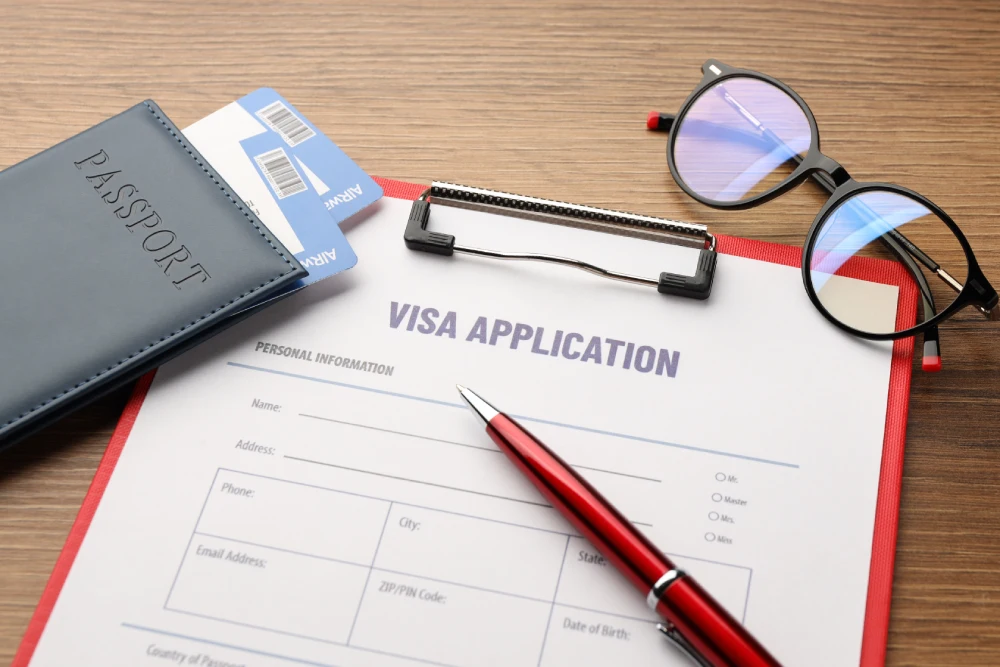
How to Check If a Visa Is Real or Fake
If you have been issued an Indian visa document and think that this may be fake, take a moment to consider all of the evidence, but don’t trust it just because it looks real. Scammers can duplicate official format, logos and reference numbers. Verify the visa information with the official records of the visa application and any kind of verification method offered by the authorities. Check whether there are any discrepancies in applicant’s name, passport number, visa category, and visa validity.
In case you cannot see that the document is true, discuss with the relevant Indian embassy/consulate/official visa issuing office before travelling. Airlines and border officials may refuse to accept a document that appears to be valid, but is not. Don’t post the suspect document online as it could have personal details. When you suspect of Indian visa scams, you should check the visa document, which is not through agent’s assurance, but by official channels.
These measures will help you to avoid Indian visa scams and proceed with the application with confidence. You would be able to minimize possible losses if you act quickly and would be the first to report Indian visa scams before other candidates are impacted.
Conclusion
Avoiding Indian visa scams requires careful verification, secure handling of documents, and a clear understanding of the India visa application process. Applicants should be cautious of any claim made by a visa service provider as it might be a non-legitimate site and should verify their identity and charges before paying money.
Use government information, keep track of application and ask of promises that sound too good to be true. These are all measures you can take to ensure that your personal details are kept confidential and that you are better protected when applying for a visa.
Frequently Asked Questions
How can I identify Indian visa scams?
Look for copied government websites, hidden fees, guaranteed approval claims, urgent payment demands, and suspicious requests for personal information. Verify the provider before proceeding.
Are Indian e-Visa scams common?
Fraudulent websites and unofficial agents target travelers seeking visa assistance. Applicants should verify websites and avoid providers that make unrealistic promises or conceal their fees.
Are third-party visa service providers legitimate?
Some are legitimate private businesses that help with applications and documents. However, they may charge additional service fees and are not necessarily affiliated with the Indian government.
Can a visa agent guarantee Indian visa approval?
No agent should be trusted solely because they promise guaranteed approval. Visa decisions are made by the relevant authorities, and applicants should be wary of claims involving special access or influence.
What documents are required for an Indian visa application?
Requirements depend on nationality and visa category. Common documents may include a valid passport, photograph, and supporting information about the purpose of travel. Always check the official instructions.
How can I check if a visa is real or fake?
Compare the visa details with official application records and available verification procedures. If you remain uncertain, contact the relevant Indian embassy, consulate, or visa authority.
What should I do if I paid a fraudulent visa service?
Contact your bank or payment provider immediately to ask about blocking or disputing the transaction. Keep receipts and messages, and report suspected fraud to the appropriate authorities.
Is it safe to apply for an Indian visa through an online advertisement?
An advertisement alone does not establish that a website is legitimate. Verify the web address independently and compare its claims with official government instructions before sharing information.
How can I protect my passport information from visa fraud?
Submit passport details only through verified channels. Avoid suspicious links, protect copies of your documents, and never share banking passwords or one-time verification codes with agents.